
Launching a startup is exciting, but also overwhelming. Between validating your idea, finding customers, and building trust, your website often becomes the first and most important touchpoint. That’s why website design for startups isn’t just about looks. It’s about clarity, credibility, and growth.
A well-designed startup website helps you explain what you do, earn trust quickly, and turn visitors into users or leads, without wasting time or budget.
Why Website Design Matters More for Startups Than Established Brands
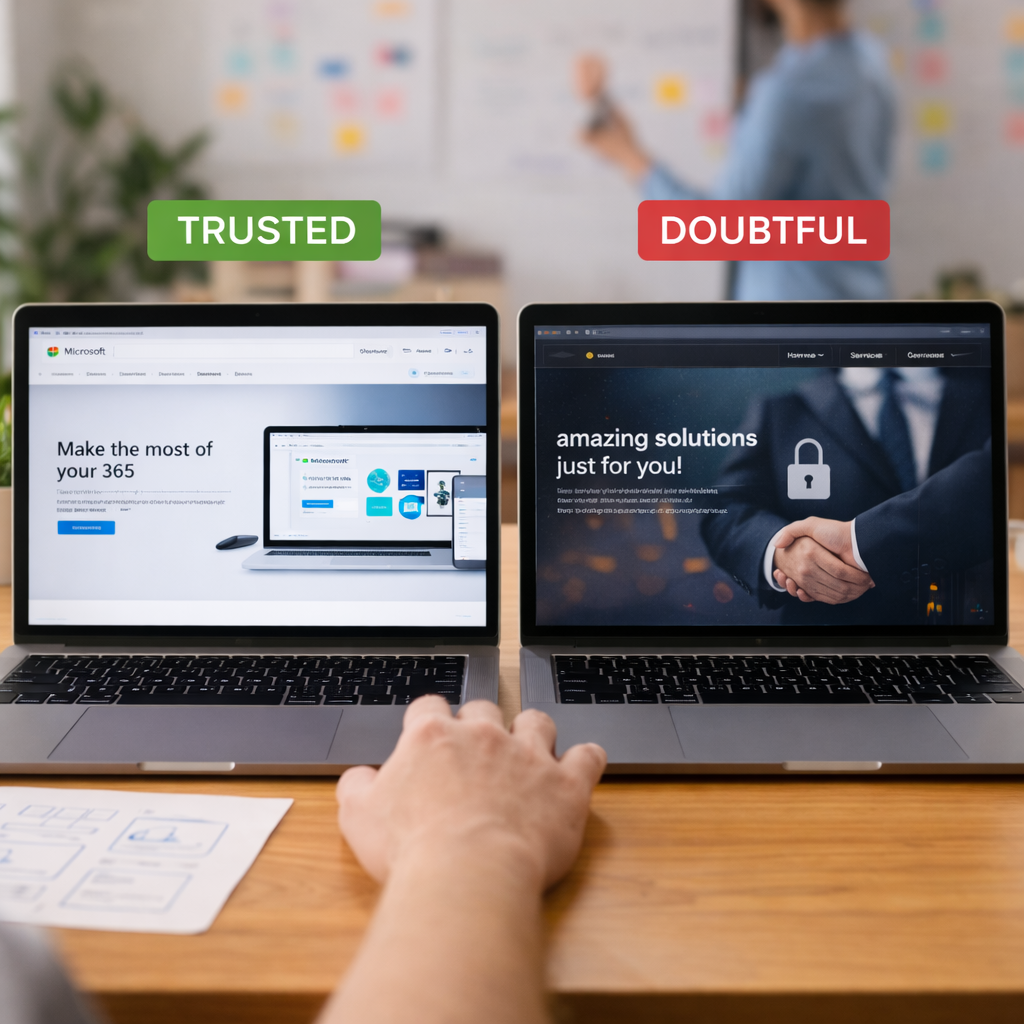
Established companies already have recognition. Startups don’t.
For early-stage businesses, your website acts as:
- Your first impression
- Your pitch deck
- Your sales assistant
Visitors decide in seconds whether your startup feels credible. Clear messaging, intuitive navigation, and a professional layout immediately signal trust. Poor design does the opposite, no matter how good your idea is.
This is why startup website design directly impacts user confidence, engagement, and conversion.
Understanding Your Startup Before Designing Anything
Before choosing colors, layouts, or platforms, you need clarity.
Ask yourself:
- Are you validating an idea, launching an MVP, or scaling?
- Is your goal awareness, sign-ups, or direct sales?
- Who is visiting your website, and why?
Designing a website without answering these questions often leads to overbuilt pages that don’t support growth. The most effective web design for startups aligns design decisions with business stage and goals.
Identifying Your Target Audience and Their Expectations
Every strong startup website is audience-first.
A B2B SaaS founder, for example, needs different messaging than a direct-to-consumer brand. Decision-makers care about clarity, proof, and efficiency. Casual visitors want reassurance and ease.
Understanding user intent helps shape:
- Page structure
- Content flow
- Calls to action
Designing for your audience—not yourself—improves usability and conversions.
Core Elements Every High-Performing Startup Website Needs
While every startup is different, strong startup websites usually share a few essentials:
- A clear homepage that explains what you do and who it’s for
- Simple feature or service pages
- An About page that builds credibility
- Contact or conversion points that feel natural
- Trust signals like testimonials, logos, or social proof
You don’t need dozens of pages. You need focused pages that guide users smoothly.
Designing for User Experience, Not Just Visual Appeal
Good design isn’t decoration—it’s usability.
Strong user experience (UX) means:
- Clear navigation
- Logical content hierarchy
- Easy scanning
- Accessibility for all users
Visitors shouldn’t think about how to use your site. They should feel guided. Clean layouts, whitespace, and readable typography make your website easier to trust and understand.
How Branding Influences Startup Website Design
Your website is often the first place people experience your brand.
Consistent colors, fonts, and tone help:
- Reinforce brand identity
- Improve recognition
- Create emotional connection
A mismatch between branding and design confuses users. When branding feels aligned, your startup appears more established—even in its early days.
Website Performance Essentials Startups Can’t Ignore
Performance is part of design.
Slow load times, broken layouts, or poor mobile optimization frustrate users and hurt search visibility. A mobile-friendly website with fast loading pages improves engagement and reduces bounce rates.
Performance-focused design supports both users and long-term growth.
SEO-Friendly Website Design for Startups (Without Overcomplication)
SEO doesn’t start with blog posts—it starts with structure.
Search-friendly design includes:
- Clean URLs
- Logical heading hierarchy
- Easy crawlability
- Mobile responsiveness
An SEO-friendly website helps search engines understand your content while keeping the experience simple for users.
Conversion-Focused Design: Turning Visitors Into Leads or Users

Design should support action.
Clear calls to action, visible value propositions, and reduced friction help guide visitors. Conversion-focused website design for startups doesn’t pressure users—it reassures them.
When people feel confident, they act.
Choosing the Right Platform for Your Startup Website
The platform you choose affects flexibility and scalability.
Many startups compare:
- WordPress for flexibility and SEO control
- Webflow for visual design and speed
- Custom builds for advanced needs
The best option depends on your growth plans, technical resources, and budget—not trends.
Common Website Design Mistakes Startups Should Avoid
Some mistakes appear again and again:
- Overloading pages with features
- Hiding the core message
- Ignoring mobile users
- Designing without data
Avoiding these helps your website stay focused, usable, and effective.
Cost Considerations for Startup Website Design
Startup founders often ask about cost—and rightly so.
Pricing depends on:
- Scope of design
- Platform choice
- Custom features
Affordable website design for startups focuses on essentials first, then scales over time. A well-planned site prevents costly redesigns later.
How to Measure Website Success After Launch
A website isn’t finished at launch.
Track:
- User behavior
- Conversion paths
- Engagement metrics
These insights help refine design, improve performance, and support growth. The best startup websites evolve with real data—not assumptions.
Final Thoughts: Designing a Website That Supports Startup Growth
A startup website isn’t about perfection. It’s about progress.
Thoughtful startup website design supports clarity, trust, and momentum. When design aligns with goals, audience, and performance, your website becomes a growth asset—not just an online presence.