
In the digital world, web design tips play a pivotal role in shaping your online presence. A user-friendly website design not only enhances the user experience (UX) but also improves conversion rates, SEO performance, and overall engagement. Whether you’re designing your first website or looking to revamp an existing one, the principles of modern web design remain the same: simplicity, usability, and performance.
In this article, we’ll walk you through 10 essential web design tips that will help you create a beautiful, functional, and SEO-friendly website. From responsive design to SEO integration, we’ll cover everything you need to know to create an effective website.
Key Principles of Effective Web Design
Simplicity and Clean Layouts
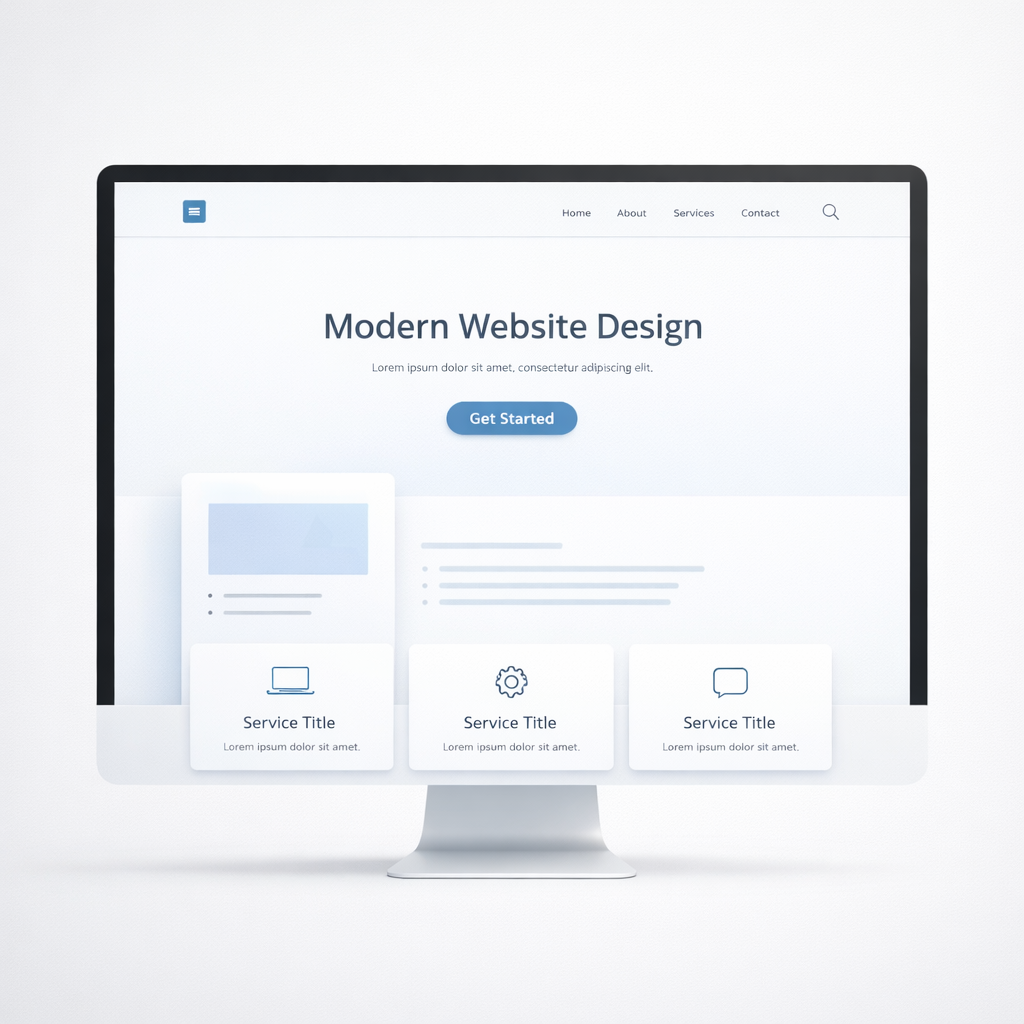
One of the golden rules of web design is to keep it simple. A clean layout with intuitive navigation will make it easier for visitors to find the information they need. Remember, less is often more when it comes to design. A minimalist design helps reduce visual clutter and gives users a clear path to follow.
Visual Hierarchy and Readability
A visual hierarchy organizes elements in a way that guides the user’s eye through the content. The use of typography, contrast, and spacing can significantly impact how users perceive and interact with your website. Make sure your website content is readable, and the most important information is easily accessible.
Mobile-First Design
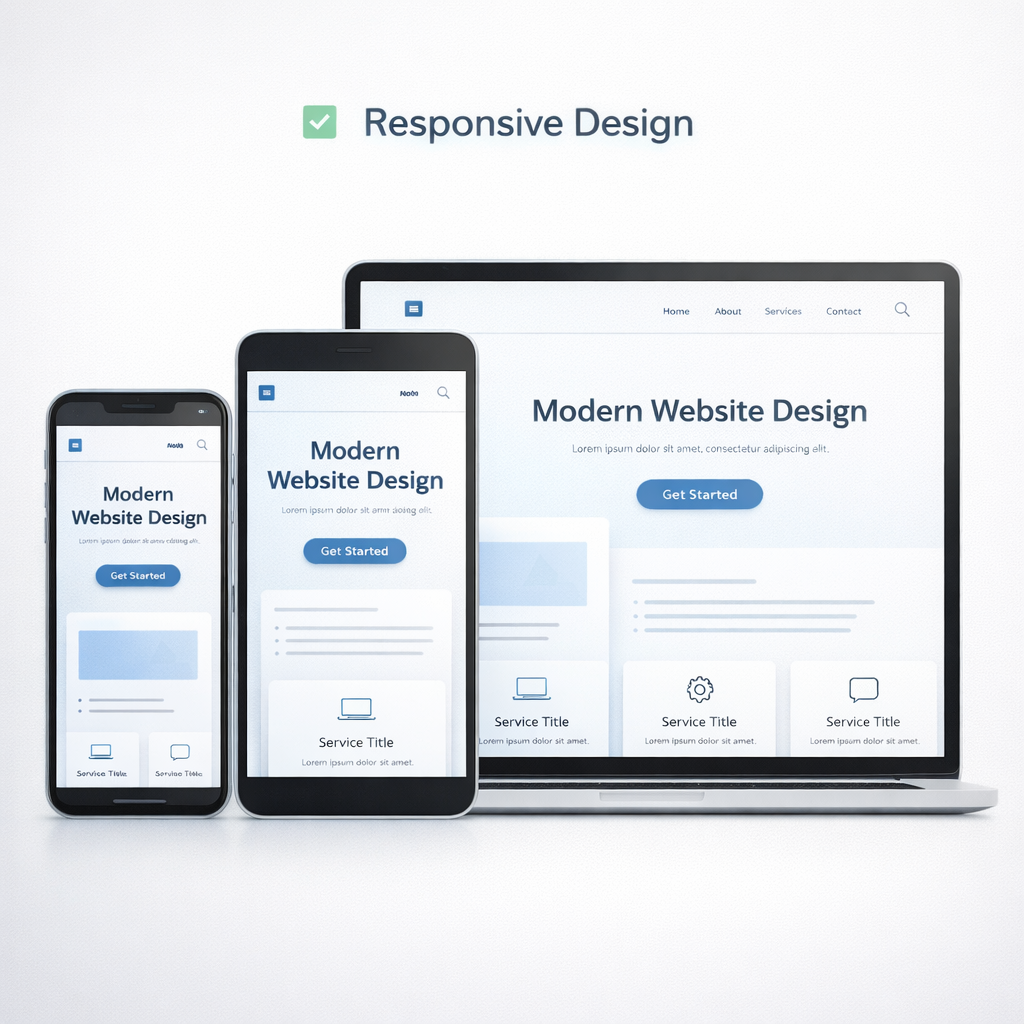
In today’s world, most web traffic comes from mobile devices. That’s why it’s crucial to prioritize mobile-first design. Responsive web design ensures that your website adapts to different screen sizes, providing a seamless experience for users across all devices.
User Experience (UX) in Web Design
Enhancing User Interaction with Microinteractions
Microinteractions are small design elements that enhance the user experience by providing feedback. These can be anything from button animations to hover effects, making your website feel interactive and engaging.
Prioritizing Accessibility in Web Design
Web accessibility ensures that all users, including those with disabilities, can navigate your website without barriers. Complying with accessibility guidelines (such as WCAG 2.1) is not only important for inclusivity but can also improve your SEO rankings.
Optimizing Navigation for Better Usability
Navigation is one of the most important elements of a website. An intuitive navigation system allows users to find what they need without frustration. Use clear labels for menus, avoid overcrowding navigation bars, and keep the structure simple.
SEO and Performance Optimization for Web Design
SEO-Friendly Web Design
A well-designed website isn’t just about looks, it should also be optimized for search engines. SEO-friendly web design ensures that your website ranks well on search engines like Google. Focus on using proper header tags, optimizing page titles, and including relevant keywords in your content.
Image Optimization for Better Performance
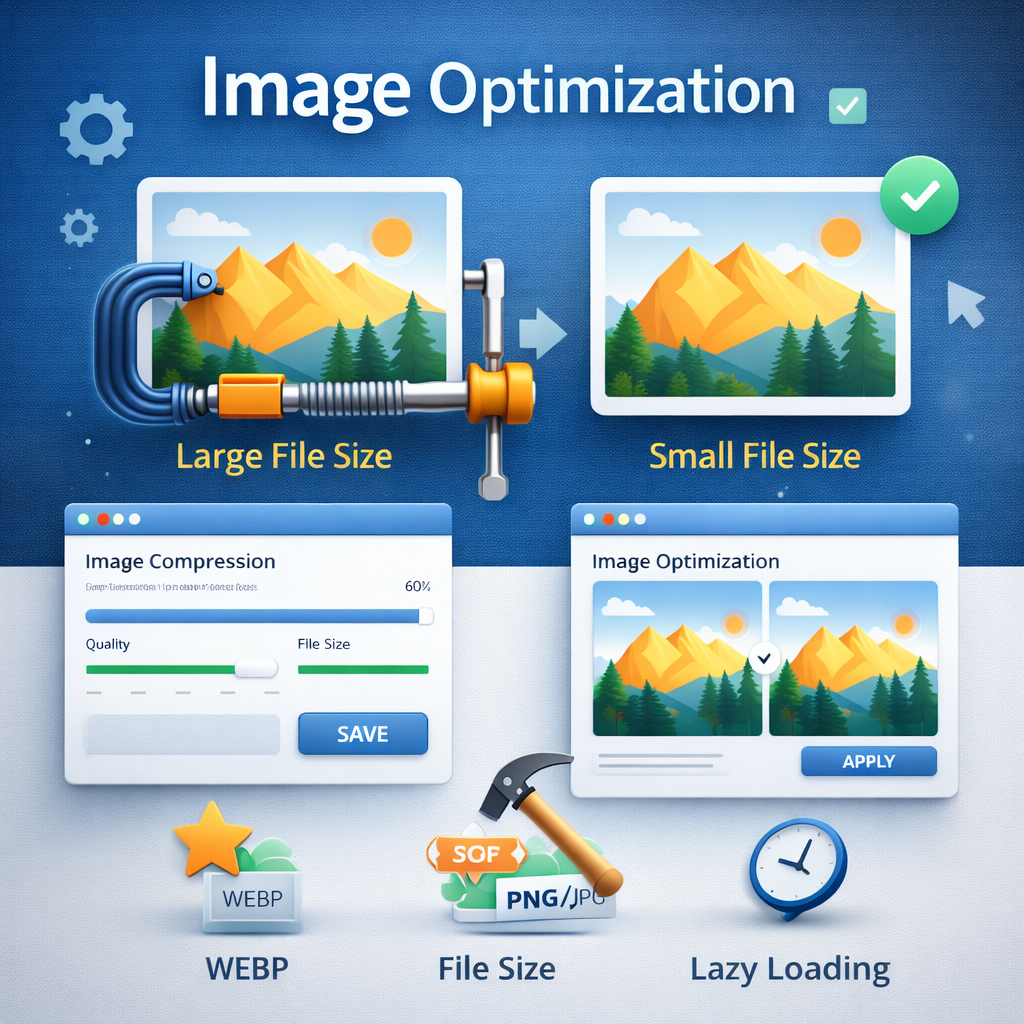
Image optimization plays a key role in website performance. Large image files can slow down your website, which may lead to a poor user experience and lower search rankings. Compress images without losing quality and use the correct format (JPEG, PNG).
URL Structures and Clean Code
A website’s URL structure should be simple and clean. Avoid long, complicated URLs and ensure that they reflect the content of the page. Additionally, writing clean and efficient code not only improves website performance but also makes it easier for search engines to index your site.
Advanced Design Trends and Techniques
AI-Powered Personalization for Modern Web Design
With advancements in technology, AI-powered personalization is becoming more common in web design. Personalizing the user experience based on their behavior can significantly increase engagement and conversions.
Immersive Design: Virtual & Augmented Reality
Virtual Reality (VR) and Augmented Reality (AR) are becoming more prevalent in web design, offering users an immersive experience that goes beyond traditional browsing. Websites incorporating these technologies are standing out in industries like e-commerce, real estate, and entertainment.
Ethical Web Design and Privacy
Ethical web design includes designing with privacy in mind. Ensure that your website respects user data and follows privacy regulations like GDPR. Trust and transparency are key to building lasting relationships with users.
Web Design Tools and Resources
Best Web Design Software for Beginners and Professionals
Whether you’re just starting or are an experienced designer, the right tools can make a significant difference in the design process. Tools like Figma, Adobe XD, and Sketch help create professional designs with ease.
Free Resources to Improve Your Web Design Skills
The internet is full of free resources that can help you improve your design skills. Websites like Canva, Unsplash, and Google Fonts offer free assets and tutorials to help you elevate your web design game.
Conclusion
In conclusion, web design is a crucial aspect of your online presence. By following the best web design tips, prioritizing user experience, and ensuring SEO optimization, you’ll be well on your way to creating a website that engages visitors and performs well across all devices.
Remember, the key is to simplify your design, focus on user needs, and continually optimize for performance and SEO. Start implementing these tips, and watch your website transform into a powerful tool for your business.