
Even if a website is beautiful, it may still have trouble drawing visitors. This is because SEO friendly web design goes far beyond visual appeal. Search engines look at how a website is set up, how people use it, and whether it seems trustworthy and easy to use. Even the best-designed sites can have trouble getting regular visitors if their design doesn’t help with search visibility and usability.
That’s when web design that is good for SEO comes in.
If you make design choices that help with usability, performance, and clarity, search engines will be able to better understand your site, and users will stay longer, interact more, and convert. This guide shows you how to make websites that not only look good, but also do well in search engines and help your business grow.
What SEO-Friendly Web Design Actually Means Today
Adding keywords to a layout or checking off technical boxes after launch is not what SEO-friendly website design is all about. From the start, it’s about designing with search visibility in mind.
A website that works well with search engines:
- Crawlers can easily find their way around and index it.
- Loads quickly on all devices.
- Presents information in a clear and logical way.
- Users feel like it makes sense and is safe.
To put it another way, SEO-optimized web design makes sure that the structure, user experience, and content all work together so that both people and search engines can understand what the site has to offer.
This method is more than just good looks. It doesn’t see design as a separate layer; it sees it as part of the SEO strategy.
How Web Design Influences Search Rankings
Most people don’t know that web design has a big impact on SEO.
Search engines look at what people do after they get to a page. Even if the content is good, rankings go down if visitors have trouble reading, navigating, or interacting.
Design affects SEO in the following ways:
- Time spent on the site and how people scroll are examples of engagement signals.
- Crawl efficiency, which is based on navigation and structure.
- Mobile usability is now a key factor in rankings.
- Perceived credibility, which has an effect on how much users trust something.
When design gets in the way, SEO efforts don’t work as well. When design makes things easier, rankings can go up.
Website Structure That Helps Search Engines Understand Your Site
One of the most important but often overlooked parts of web design for SEO is having a clear structure.
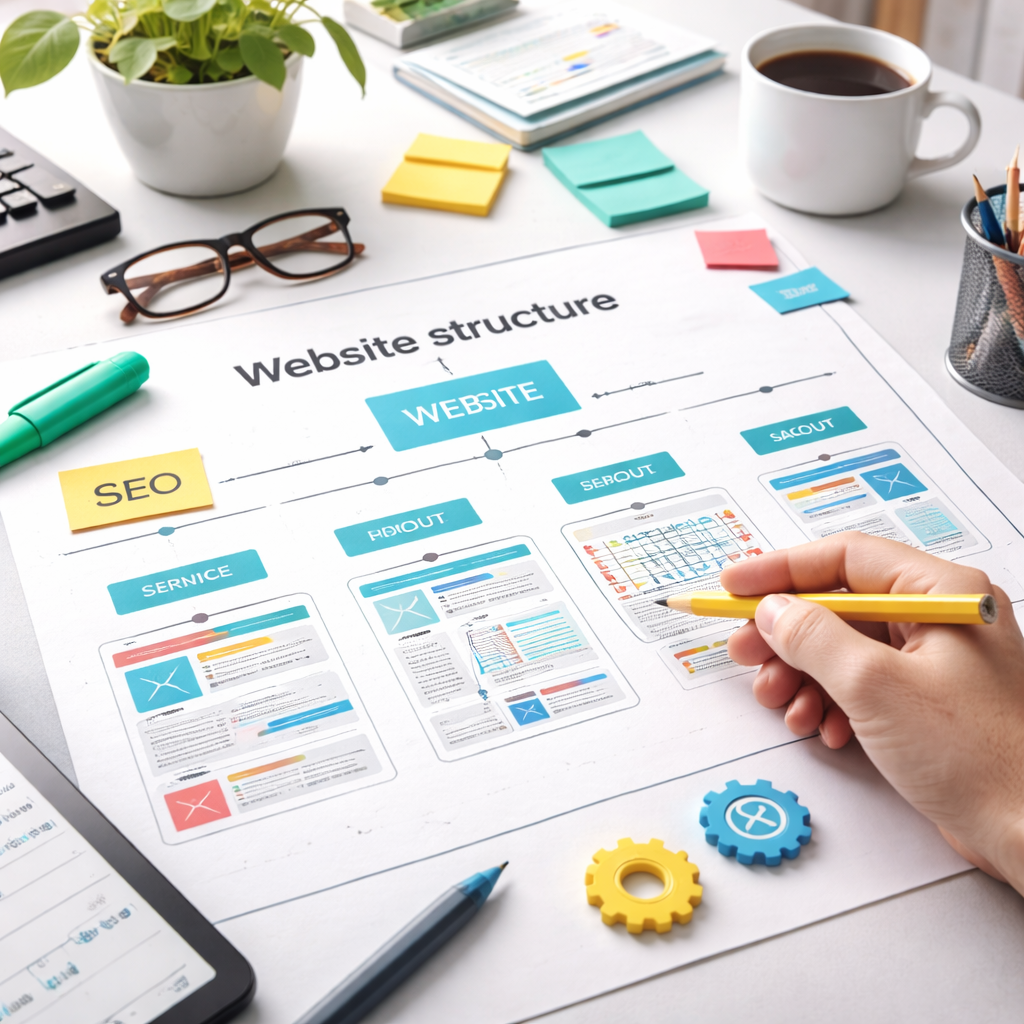
Search engines rely on structure to understand:
- Which pages are the most important
- How topics are connected to one another
- How to prioritize content
An SEO-friendly website structure includes:
- A logical page hierarchy
- Paths that are easy to follow
- Linking inside that is descriptive
- URLs that are clean and easy to read
This kind of structure makes it easy for search engines to crawl and for users to find what they’re looking for without getting confused.
When you plan the structure during the design phase, it’s easier to scale SEO later.
User Experience Signals That Strengthen SEO Performance
Websites that are easy to use are getting more and more points from search engines.
Good UX helps By SEO:
- Lowering bounce rates.
- Making it easier to consume content.
- Encouraging more in-depth navigation.
Some design elements that help with this are:
- A clear order of things.
- Font sizes and spacing that are easy to read.
- Navigation patterns that are easy to guess.
- Thoughtful arrangement of important information.
When designing a website for SEO, you need to think about how real people will use it, not just how it looks in a static mockup.
Speed, Stability, and Performance-Focused Design
It’s not just a technical issue; performance is also a design issue.
Heavy graphics, layouts that don’t work well, and assets that aren’t optimized can all make pages load slowly and annoy users. Even small delays can change how a site shows up in search results.
An SEO-friendly design focuses on:
- Improving images without losing clarity.
- Stable layout to keep content from moving around.
- Lightweight visual elements that load quickly.
When design choices help speed and stability, both user satisfaction and rankings go up.
Content-First Design: Supporting Rankings Without Hiding Value
One of the worst things you can do when designing a website today is to think of content as an afterthought.
Designing with content in mind means:
- Putting content into designs instead of making designs fit around content.
- Making it easy to scan headings, sections, and spaces.
- Making sure that important information is easy to see without too much scrolling.
Search engines like things that are clear. Users do as well.
It’s easier to understand, rank, and trust pages when the design makes the content flow naturally.
Accessibility as an SEO Advantage
People often think of accessibility as a legal issue, but it also has a big impact on SEO.
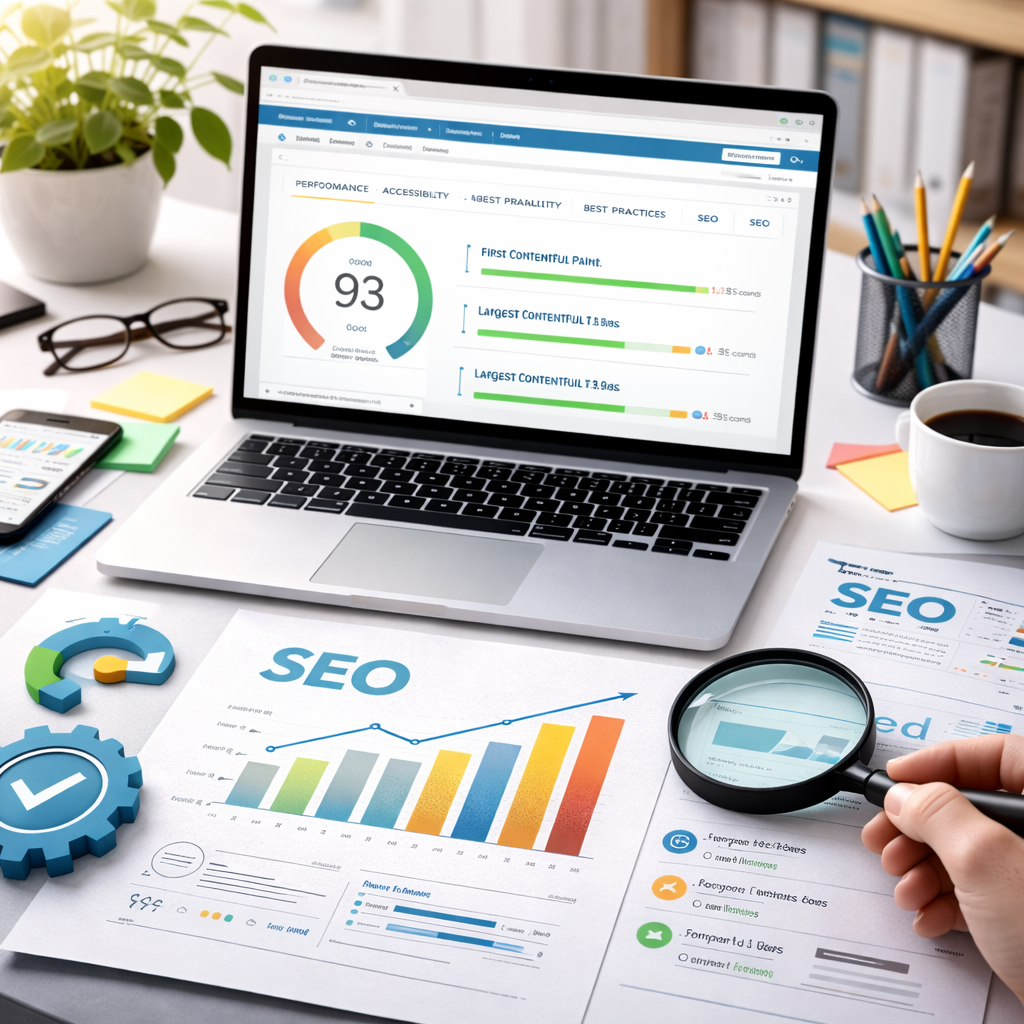
Design that is easy to use makes things better:
- Easy to read for everyone.
- Clarity of navigation
- Interaction between devices and abilities
Design choices like contrast, font size, and a logical layout make it easier to read content, which boosts engagement signals that help with rankings.
Web design that is good for SEO naturally overlaps with principles of inclusive design.
Design Choices That Quietly Damage SEO
Some design choices may look modern but cause SEO problems that aren’t obvious.
Some common problems are:
- Layouts that are too busy and take away from the content
- Navigation styles that make crawlers confused
- Visual clutter that makes people leave your site
These mistakes don’t always show up right away in analytics, but over time they make it harder for a site to show up in search results.
When designing a website that is good for SEO, it’s better to be clear than complicated.
When a Website Needs a Redesign vs Strategic Optimization
Not every website needs a complete redesign to boost SEO.
Sometimes, just optimizing your strategy is enough:
- Making the structure better
- Changing layouts to make them easier to read
- Making mobile devices easier to use
When a redesign is needed,
- The structure makes it hard for content to grow
- The design stops navigation or indexing
- The layout has built-in performance problems
Knowing this difference saves time, money, and rankings.
SEO-Friendly Web Design for Startups and Small Businesses
For new businesses and small businesses, the design choices they make early on are more important than the fixes they make later.
SEO-friendly web design helps in the following ways:
- Helping organic growth from the start
- Getting first-time visitors to trust you
- Not having to pay for expensive redesigns as traffic grows
When you design for scalability, the site can grow with the business without hurting SEO.
How SEO-Focused Design Supports Conversions
Ranking traffic is only useful if it makes people do something.
Web design that focuses on conversions helps SEO by:
- Building trust with neat, professional layouts
- Leading users naturally to the next steps
- Making it easy to find and understand calls to action
When design helps conversions, SEO traffic turns into real business results.
Designing for People First — and Letting SEO Follow
Making a website SEO-friendly isn’t about making algorithms happy. It’s about making websites that are easy to understand, load quickly, and are safe.
When design helps with usability, structure, and performance:
- Search engines have a better idea of what your site is about.
- Users stay longer and do more.
- Rankings and conversions go up on their own.
Websites that are optimized for SEO work best when they are built with people in mind and set up in a way that search engines can easily follow.