
Great web design is key to creating an online presence that is both effective and enjoyable. A well-designed website improves user experience, increases site performance, and boosts SEO rankings. If you want your website to stand out, it’s crucial to follow web design best practices.
In this guide, we’ll explore the most important web design principles you should follow. From responsive design to making sure your site is accessible, we’ll cover everything you need to know to create a website that works well and ranks well.
Understanding User-Centered Design
A user-centered design focuses on creating a website that meets the needs of its visitors. This approach helps to keep users happy, which is essential for retaining them. The main goal is to provide a smooth, easy-to-navigate experience.
Make sure your website has intuitive navigation so users can easily find what they need. A clear and simple layout helps visitors feel more comfortable and reduces frustration. Also, place calls to action (CTAs) where users can easily spot them. These actions guide visitors to take the next step, like signing up or making a purchase.

Mobile-First Design: Why It’s Essential
Today, most people browse the web on their mobile devices. That’s why mobile-first design is so important. A mobile-first approach ensures your website looks great and works smoothly on smartphones and tablets.
Responsive design ensures your website adapts to different screen sizes, which is key for keeping users engaged. Not only does this improve user experience (UX), but it also boosts your SEO. Google prioritizes mobile-friendly sites, so designing for mobile first can help improve your search rankings.
Designing for Accessibility: Making Your Website Inclusive
Designing an accessible website means making sure everyone, including people with disabilities, can use it. This is important not only for ethical reasons but also for SEO. Accessible websites are more likely to rank well and reach a wider audience.
Some simple ways to improve accessibility include:
- Using alt text for images so screen readers can describe them.
- Ensuring good color contrast between text and backgrounds for better readability.
- Designing websites so users can navigate with just a keyboard, making it easier for those with mobility issues.
Typography & Color: The Basics of Visual Hierarchy
Typography and color are two powerful tools that help guide your users. Good typography helps readers follow your content with ease, while color can highlight important sections and make your website look cohesive.
Choose readable fonts and create a hierarchy by adjusting font sizes. For example, use larger fonts for headings and smaller ones for body text. This helps users easily scan your content.
When it comes to color, make sure there’s enough contrast between the text and the background. This improves readability and ensures that your content is easy to digest. Remember, colors can also trigger emotions, so use them wisely to reflect your brand’s personality.
Performance Optimization: Speed & Efficiency
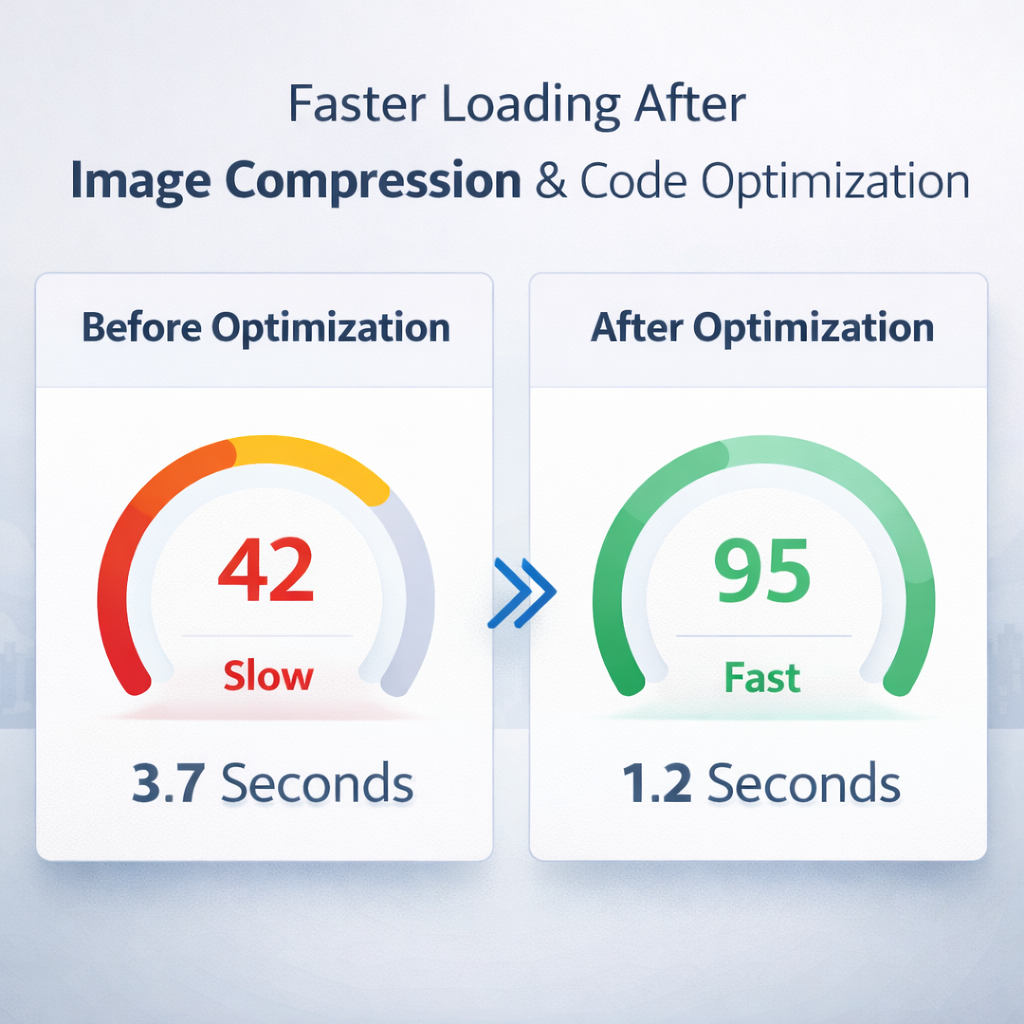
A slow website can drive users away. If your website takes too long to load, visitors will likely leave before they see your content. Website speed is not only important for user satisfaction but also for SEO.
To improve speed, consider:
- Compressing images to reduce their file size.
- Minifying CSS and JavaScript files to speed up load times.
- Implementing caching strategies to make your website load faster for repeat visitors.
Optimizing performance improves user experience and can even help your site rank higher in search results.
Design for Conversions: Turning Visitors into Customers
The ultimate goal of web design is to guide visitors toward taking action. Whether you want users to sign up, make a purchase, or download a resource, web design for conversions is key.
Here are a few ways to increase conversions:
- Make calls to action (CTAs) clear and easy to find.
- Use trust signals like testimonials, reviews, or security badges to make users feel confident.
- Optimize your landing pages with focused messaging that leads users toward conversion.
A website designed for conversions makes it easy for visitors to take the next step in their journey.
SEO-Friendly Web Design: Best Practices for Higher Rankings
Designing your website with SEO in mind can give you a significant advantage. SEO-friendly web design helps ensure that search engines can easily crawl and index your site, leading to better rankings in search results.
Here are a few key SEO practices for web design:
- Use descriptive, keyword-rich URLs.
- Add alt text to all images so search engines understand what they’re about.
- Make sure your site is mobile responsive, as this is a ranking factor for Google.
- Improve page speed and ensure your website is optimized for fast loading times.
Case Studies: Successful Web Design Examples
To see web design best practices in action, let’s look at a few successful websites:
- Example 1: An e-commerce website with a responsive design that offers an easy checkout process, improving conversions.
- Example 2: A non-profit site with excellent accessibility features, including a clean layout and clear CTAs, which led to increased donations.
These examples show how good design can lead to tangible success in both user experience and business outcomes.
Frequently Asked Questions (FAQ)
What are the best practices for web design?
Focus on user-centered design, mobile-first approaches, SEO optimization, and performance improvements.
How can responsive design improve SEO?
Google uses mobile-first indexing, so a responsive design ensures your site is crawled and indexed correctly.
What is user-centered design?
It’s a design approach that puts the needs of users first to create a website that’s intuitive and easy to navigate.
Why is accessibility important in web design?
Accessibility ensures your website is usable by everyone, including those with disabilities, and it also helps with SEO.
Conclusion: Summing Up Key Takeaways
To wrap up, following web design best practices is essential for building a website that’s effective, user-friendly, and SEO-optimized. From user-centered design to mobile-first responsiveness and performance optimization, each element plays a vital role in creating a site that delivers results.
Start applying these best practices today and watch your website improve in both user experience and search rankings. If you haven’t already, take steps toward designing a website that meets these standards and watch your online presence grow.